
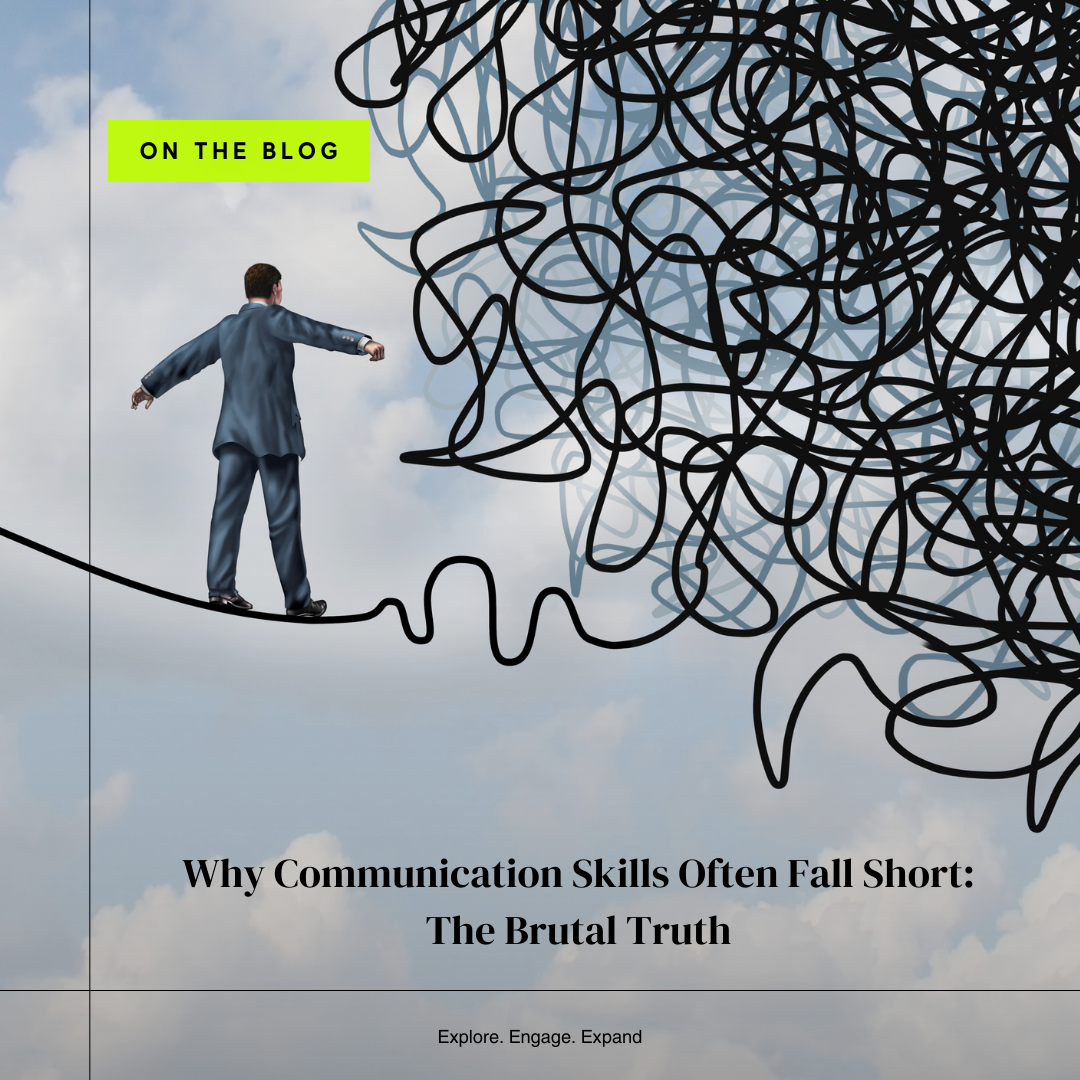
Most people believe they are good communicators. After all, everyone speaks, listens, and responds daily, right? Yet, misunderstandings are common, projects face delays, and workplace relationships falter. The uncomfortable truth is that, despite the perception of being effective, communication skills often have critical gaps that remain unaddressed. Without tackling these weaknesses, even well-intended interactions fall apart.
1. The Struggle with Clarity
One of the most prevalent issues in communication is the assumption that more words mean better understanding. Many feel compelled to explain every detail, use jargon, or speak at length, thinking it will make them clearer. In reality, it often results in confusion. If conversations lead to follow-up questions or misinterpreted instructions, clarity is lacking.
Clear communication is about simplicity—getting straight to the point. It’s not about stripping the message down to its bare bones but ensuring that every word serves a purpose. Unnecessary details or convoluted explanations only cloud the message. A lack of clarity doesn’t just frustrate the listener—it leads to misinterpretations, delays, and inefficiency.
2. Hearing Without Understanding
Another major gap in communication is the ability to truly listen. Many people mistake hearing words for understanding them. It’s easy to nod along or respond with a quick acknowledgment, but that doesn’t guarantee real engagement. Often, conversations are approached with the mindset of waiting for a turn to speak, rather than fully absorbing what the other person is saying.
True communication requires active listening. This means paying attention, asking follow-up questions, and making sure the message is fully understood before responding. Without this, people feel ignored or misunderstood, which can lead to disengagement and resentment. In the workplace, the absence of active listening causes collaboration to crumble and creates misaligned expectations.
3. Mixed Non-Verbal Signals
Words are important, but they aren’t the full picture. Body language, facial expressions, and tone of voice often speak louder than the words themselves. A monotone voice or crossed arms during a discussion can suggest disinterest or even hostility, even if the words are positive.
The disconnect between verbal and non-verbal communication can confuse or alienate colleagues. If non-verbal cues don’t match what’s being said, trust can erode quickly. Strong communicators ensure that their body language and tone reinforce their words, rather than contradict them.
4. Low Emotional Intelligence
Emotional intelligence (EQ) is a key but often overlooked element in communication. Too often, emotions steer conversations, leading to frustration, defensiveness, or withdrawal. When emotions run high, objectivity disappears, and communication can spiral into conflict.
Building emotional intelligence helps manage personal reactions and understand others’ emotions. Being aware of and controlling emotions during conversations ensures that discussions remain productive, even when difficult topics arise. Without emotional intelligence, interactions tend to escalate unnecessarily, harming relationships and team dynamics.
5. Inflexibility in Communication Styles
A one-size-fits-all approach rarely works in communication. A casual tone that’s perfect for chatting with peers may be completely inappropriate in formal meetings. Similarly, a stiff, formal approach can alienate coworkers during day-to-day discussions.
Inflexibility in adapting communication styles leads to disengagement or misunderstandings. Effective communicators are flexible, tailoring their tone, language, and delivery to the audience and context. This ability to adapt ensures that the message resonates, no matter the setting. Sticking rigidly to one style limits the ability to communicate effectively across diverse situations.
Conclusion: Closing the Communication Gaps
While communication may seem straightforward, many crucial elements are often overlooked. Clarity, active listening, non-verbal alignment, emotional intelligence, and adaptability are essential for effective communication. Recognising and addressing these gaps fosters stronger interactions and smoother relationships. Without improvement in these areas, communication will continue to fall short, leading to frustration and limiting professional success.
Leave a Reply